


-

Add: HeBei ShengShi HongBang Cellulose Technology CO.,LTD.
-

Email
13180486930@163.com -

CONTACT US
+86 13180486930


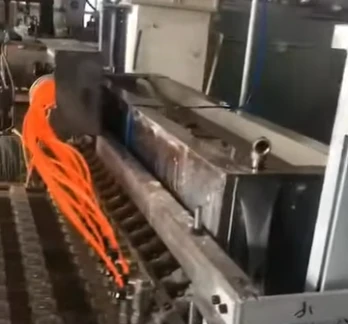
We are a professional manufacturer of HPMC, and we located in Hebei Province Xinji provincial clean chemical Industry Park, in the Beijing Tianjin Hebei metropolitan area. The park is 250 kilometers away from Beijing and Tianjin, 250 kilometers away from the Capital Airport and Tianjin Airport, 100 kilometers away from Shijiazhuang Zhengding Airport, and 250 kilometers away from Tianjin Port; The Shihuang Expressway, National Highway 307, Provincial Hengjing Line, Shide Railway, and Shiqing High speed Railway pass through Xinji, with convenient transportation and unique location advantages for economic development relying on the central city, airport, and seaport. It is a key cultivated enterprise in Xinji City, covering an area of more than 80 acres, with 200 employees and 11 senior technical personnel. Our factory adopts the German horizontal kettle "one-step production process", with a 100% product quality rate to meet different customer needs. The daily production capacity has now reached 80-100 tons. Our company has more than 20 years of experience in cellulose production and sales, and has exported to more than 30 countries and regions, highly praised and trusted by users both domestically and internationally.
- 40000tons

Production
- 20+years

Experience
- 5000+㎡

Acreage

-
Understanding Wood Cellulose Its Nature and Importance Cellulose is a complex carbohydrate that is a primary component of the cell walls of plants, including trees and other woody plants. It is an essential structural polysaccharide that provides plants with strength and rigidity. In the context of wood, cellulose accounts for a significant portion of its composition, playing a critical role in its mechanical properties and durability. What is Cellulose? Cellulose is a polymer made up of long chains of glucose units linked together by beta-1,4-glycosidic bonds. This linear arrangement allows cellulose molecules to pack tightly together, forming strong fibers that give wood its strength. The structure of cellulose differs from that of starch, another carbohydrate made up of glucose units. While starch is branched and serves as an energy reserve for plants, cellulose maintains a straight chain configuration, which is crucial in providing structural stability. In wood, cellulose is present alongside other important components, such as hemicellulose and lignin. Hemicellulose is another type of polysaccharide that helps to bind cellulose fibers together, while lignin provides additional rigidity and resistance to decay. The combination of cellulose, hemicellulose, and lignin contributes to the overall strength, flexibility, and longevity of wood. The Role of Cellulose in Wood Cellulose serves several vital functions in wood. Its primary role is to provide structural integrity. The strong and durable cellulose fibers contribute to the mechanical strength that enables trees to grow tall and withstand external forces such as wind and snow. This property is particularly important for trees, as their height and stability are crucial for sun exposure and nutrient acquisition. Moreover, cellulose also plays a role in water retention and transportation within the plant. The porous structure created by cellulose fibers allows for the movement of water and nutrients from the roots to the leaves. This hydraulic function is essential for the growth and health of the tree. Applications of Wood Cellulose ¿qué es la celulosa de madera? The significance of cellulose extends beyond its biological functions; it is also a valuable resource for various industries. Wood cellulose is harvested and processed to produce a wide range of products, including paper, textiles, and biodegradable plastics. Paper Production The paper industry relies heavily on cellulose extracted from wood pulp. The cellulose fibers are processed, bleached, and formed into sheets, which are then dried and rolled into paper products. The strength and flexibility of cellulose make it ideal for creating high-quality paper. Textiles Cellulose fibers can be transformed into textiles such as rayon and lyocell. These fabric materials are derived from wood pulp and are prized for their softness, breathability, and biodegradability. As sustainability becomes increasingly important in the fashion industry, cellulose-based textiles provide an eco-friendly alternative to synthetic fibers. Biodegradable Plastics With the rise of environmental concerns regarding plastic pollution, wood cellulose has emerged as a potential material for producing biodegradable plastics. Utilizing cellulose as a raw material for bioplastics allows for the creation of renewable and compostable alternatives to conventional petroleum-based plastics. Environmental Significance From an environmental perspective, cellulose plays a vital role in carbon sequestration. Trees absorb carbon dioxide from the atmosphere during photosynthesis, converting it into cellulose and other organic compounds. This process not only contributes to the growth of trees but also helps to mitigate climate change by reducing greenhouse gas levels in the atmosphere. Sustainable forest management practices that prioritize the retention of cellulose-rich trees contribute to preserving biodiversity and promoting healthy ecosystems. By ensuring that forests remain intact and flourishing, we can continue to benefit from the myriad resources and ecological services they provide. Conclusion Cellulose in wood is a remarkable natural polymer that holds tremendous significance for both the environment and various industries. Its structural properties contribute to the strength and durability of trees, while its versatility makes it a valuable resource for producing a wide array of products. As we seek sustainable solutions for the future, understanding the role of wood cellulose and utilizing it responsibly will be essential for balancing ecological health with industrial needs.
-

In the construction world, performance and durability are top priorities. Hydroxypropyl methylcellulose (HPMC) has emerged as an innovative solution that greatly enhances the quality of building materials. Its versatility and outstanding properties make it a vital ingredient for construction professionals worldwide. This article delves into the key physical and chemical properties of HPMC, its role as a building materials additive, and its specific applications in cement-based materials. The Physical and Chemical Marvels of Hydroxypropyl Methylcellulose The performance of hydroxypropyl methylcellulose is largely attributed to its unique physical and chemical properties. HPMC is a non-ionic, water-soluble polymer derived from cellulose. Its molecular structure allows it to function as a thickener, stabilizer, and film-forming agent. One of its standout features is its ability to retain water, which is crucial for achieving the desired consistency and longevity in building materials. This product also boasts exceptional thermal stability and pH tolerance, allowing it to perform effectively across various construction scenarios. It remains stable even in high-temperature applications, making it ideal for cement-based systems. These attributes highlight why many industry leaders turn to a trusted hydroxypropylmethylcellulose supplier for high-quality solutions that meet stringent construction standards. Transforming Building Materials with Hydroxypropyl Methylcellulose Additives When added to building materials, hydroxypropyl methylcellulose plays a transformative role in enhancing workability, durability, and performance. It improves the adhesion and cohesion of cement, ensuring mixtures retain their integrity during application and after curing. In wall putties, for example, hydroxypropyl methylcellulose in wall putty ensures the perfect balance of viscosity and spreadability. It helps eliminate sagging and cracking, guaranteeing smooth and stable finishes that can withstand the test of time. As an additive, HPMC ensures uniform distribution of water in cement-based products, enabling consistent setting and hardening across applications. Builders who rely on this product understand its ability to facilitate easier handling and application of materials, ultimately leading to a superior finished product. If you’re looking to elevate the quality of your construction output, it’s essential to buy hydroxypropyl methylcellulose from a trusted source. Hydroxypropyl Methylcellulose in Cement Applications The specific role of hydroxypropyl methylcellulose in cement formulations is a testament to its versatility. In cement-based systems, HPMC acts as both a water-retention agent and a viscosity modifier. This ensures that the cement slurry maintains the right consistency during application, preventing undesirable effects like bleeding and segregation. Moreover, HPMC extends the open time of mortars and renders, giving workers sufficient time to adjust materials to their optimal positioning. Its water-retention property ensures uniform hydration of cement particles, which not only improves the strength but also enhances the final appearance of structures. In applications such as tile adhesives, HPMC ensures superior adhesion and stability, preventing tiles from detaching over time. Many construction professionals rely on HPMC to achieve optimal results in cementitious products and prefer working with a reputable hydroxypropylmethylcellulose supplier for consistent quality. Hydroxypropyl Methylcellulose : Unmatched Versatility Across Construction Applications The applications of hydroxypropyl methylcellulose extend far beyond wall putties and cement. Its unique properties make it an integral component in a wide array of construction products. From rendering and joint compounds to adhesives and plaster, HPMC enhances product performance and application efficiency. For manufacturers, choosing to buy hydroxypropyl methylcellulose opens doors to versatile solutions tailored for modern construction needs. This additive not only improves the mechanical properties of building materials but also ensures they stand up to environmental challenges such as temperature fluctuations and moisture exposure. Experience Excellence with Hydroxypropyl Methylcellulose Hydroxypropyl methylcellulose has become the go-to additive for achieving excellence in construction materials. Its unmatched physical and chemical properties, combined with its ability to enhance workability and durability, make it indispensable for any project. Choosing the right hydroxypropylmethylcellulose supplier ensures access to high-performance materials that meet and exceed industry standards. Whether you’re looking to improve the properties of cement, wall putties, or other construction materials, HPMC is your key to creating resilient, efficient, and long-lasting structures. Embrace the possibilities of hydroxypropyl methylcellulose today and see the difference it makes in your projects!

advantages
-

200000 Viscosities
Excellent product
We can produce pure products up to 200,000 viscosities
-

40000 tons
High yield
We don’t stop production all year round, and the annual output can reach 40,000 tons
-

24 hours
Quality service
We provide 24-hours online reception service, welcome to consult at any time
———— Inquiry Form
Schedule A services


-
 Starch Ether: High Retention, Smooth Troweling, Low Dosage
Oct . 25, 2025
Starch ether boosts water retention, workability, open time, and anti-sag at low dosage. Ideal for dry mortar, tile adhesive, plaster, skim coat. Stable quality, competitive price. Get a quote now. -
 Wood Cellulose: Renewable, High-Purity Fiber Solutions
Oct . 25, 2025
Renewable, high-purity wood cellulose offers strength, consistency, and biodegradability. Ideal for packaging, textiles, bioplastics, filtration, and composites. Contact us for samples and pricing. -
 Redispersible Emulsion Powder: High Adhesion & Flex
Oct . 24, 2025
Redispersible emulsion powder boosts adhesion, flexibility, water resistance, and workability. Ideal for tile adhesives, EIFS, mortars, self-leveling, grouts. Request a sample and quote today.


